


Your credit score is one of the most powerful numbers in your financial life. It determines whether you get approved for a mortgage, what interest rate you pay on your car loan, and sometimes even whether you get the job you’re applying for.
And yet most people have no idea what’s actually driving their score — or how to move it in the right direction fast.
That’s where AI comes in. In 2026, a new generation of AI-powered tools can analyze your credit profile, pinpoint exactly what’s dragging your score down, and give you a personalized roadmap to fix it — often in a fraction of the time it would take on your own.
Here’s exactly how to use them.
📊 First: Understand What Actually Moves Your Score

Before you use any AI tool, you need to know what you’re working with. Your FICO score — the one most lenders use — is made up of five factors:
- Payment history (35%) — Your single biggest factor. One missed payment can drop your score 60–110 points.
- Credit utilization (30%) — How much of your available credit you’re using. Aim for under 30%, ideally under 10%.
- Length of credit history (15%) — How long your accounts have been open. Older is better.
- Credit mix (10%) — Having a variety of credit types (cards, loans, mortgage) helps.
- New credit inquiries (10%) — Applying for multiple credit accounts in a short time can temporarily lower your score.
Most people focus on payment history and ignore utilization — which is actually one of the fastest levers you can pull to raise your score in 30 days or less.
🤖 How AI Is Changing Credit Scoring in 2026
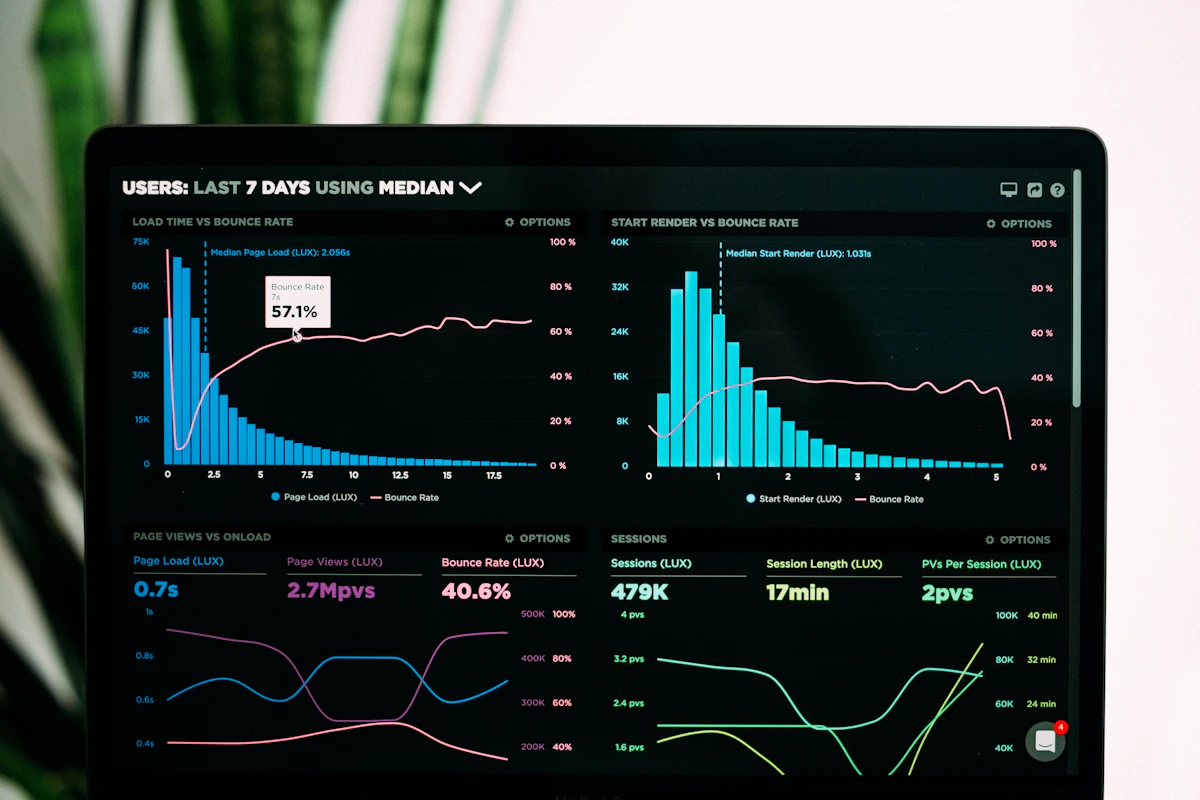
Traditional FICO scores only look at your credit file. But AI-powered credit tools are now analyzing thousands of additional data points — your cash flow patterns, income consistency, bill payment behavior, and spending habits — to build a far more complete picture of your creditworthiness.
What this means for you: if you have a thin credit file (few accounts, short history), AI tools can sometimes surface a more accurate picture of your financial behavior than FICO alone. Some lenders are already using these AI models in their approval decisions.
AI-powered credit scoring now analyzes thousands of data points including cash flow patterns and spending behavior — making it possible to get fairer credit assessments, especially if you’re new to credit or rebuilding.
🛠️ The Best AI Tools for Improving Your Credit Score

1. Credit Karma + AI Insights
Credit Karma now uses AI to analyze your specific credit profile and surface personalized recommendations — not generic tips. It tells you exactly which accounts to pay down first, flags errors on your report, and shows you how specific actions would impact your score before you take them.
Best for: Getting a clear baseline and understanding your credit report.
2. Experian Boost
This free tool uses AI to scan your bank account for on-time bill payments — utilities, streaming services, even rent — that don’t normally show up on your credit report. It then adds those positive payments to your Experian credit file instantly. Many users see their score jump 10–20 points immediately.
Best for: Thin credit files or people who pay their bills on time but don’t have much credit history.
3. AI Chatbots (Claude, ChatGPT)
Don’t underestimate the power of a direct conversation with an AI chatbot for credit strategy. Try prompts like:
- “My credit utilization is 67% and my score is 610. What’s my fastest path to 700?”
- “I have a collections account from 2021. Should I pay it off or dispute it?”
- “Create a 90-day credit improvement plan based on these factors: [paste your credit summary]”
You’ll get personalized, specific guidance instantly — for free.
4. Monarch Money / Copilot for Utilization Tracking
These AI budgeting apps monitor your credit card balances in real time and alert you when your utilization is creeping up. Since utilization is calculated at the moment your statement closes, you can time your payments strategically to report a lower balance to the credit bureaus.
⚡ The Fastest Moves to Raise Your Score Right Now

Week 1 — The Quick Wins
- Pull your free credit reports at AnnualCreditReport.com and look for errors. Dispute anything inaccurate — incorrect late payments, accounts that aren’t yours, wrong balances. This alone can move your score 20–50 points.
- Set up Experian Boost today. It takes 10 minutes and often produces an immediate score increase.
- Pay down your highest-utilization credit card as much as possible before your next statement closes.
Month 1 — The Strategic Moves
- Get your total credit utilization below 30% across all cards. If you can’t pay it down, call your credit card company and ask for a credit limit increase — this improves your utilization ratio without you paying a dime.
- Set up autopay for the minimum payment on every account. One missed payment is the single fastest way to destroy progress.
- Use an AI chatbot to analyze your specific credit report and get a personalized 90-day plan.
Months 2–3 — The Compounders
- Keep old credit card accounts open even if you’re not using them. Closing them shortens your credit history and reduces available credit.
- Avoid applying for new credit during this period. Each hard inquiry can temporarily lower your score 5–10 points.
- Consider a credit-builder loan from a credit union if your history is thin — these are specifically designed to add positive payment history to your report.
Combining Experian Boost + disputing errors + dropping utilization below 30% has helped many people raise their credit score by 50–100 points within 60–90 days. Results vary, but these are the three highest-ROI moves you can make.
🎯 What to Realistically Expect

Credit score improvement isn’t instant — but it’s also not as slow as most people think. Here’s a general timeline:
- ✅ Within 1 week: Experian Boost, dispute errors (impact varies)
- ✅ Within 30 days: Utilization drop reflected after statement closes
- ✅ Within 60–90 days: Payment history and dispute resolutions appear
- ✅ Within 6–12 months: Length of history and new account aging compound
If your score is below 600, focus entirely on payment history and utilization — those two factors alone are 65% of your score. Get those right and everything else follows.
Final Thoughts
Your credit score isn’t fixed. It’s a living number that responds directly to your behavior — and in 2026, AI gives you more visibility and control over that behavior than ever before.
Start with Experian Boost and Credit Karma today. Pull your credit report and dispute any errors this week. Then let AI help you build a personalized plan to get where you want to go.
The best credit score you’ve ever had might be 90 days away.
Want more AI-powered money tips? Subscribe to the SmartMoneyAI newsletter and get actionable strategies delivered straight to your inbox every week.
Disclaimer: This content is for informational and educational purposes only and does not constitute financial advice. Always consult a licensed financial advisor or credit counselor before making financial decisions.